🌼 Community Comes Together to Plant 470+ Florida Wildflowers at Blue Spring State Park
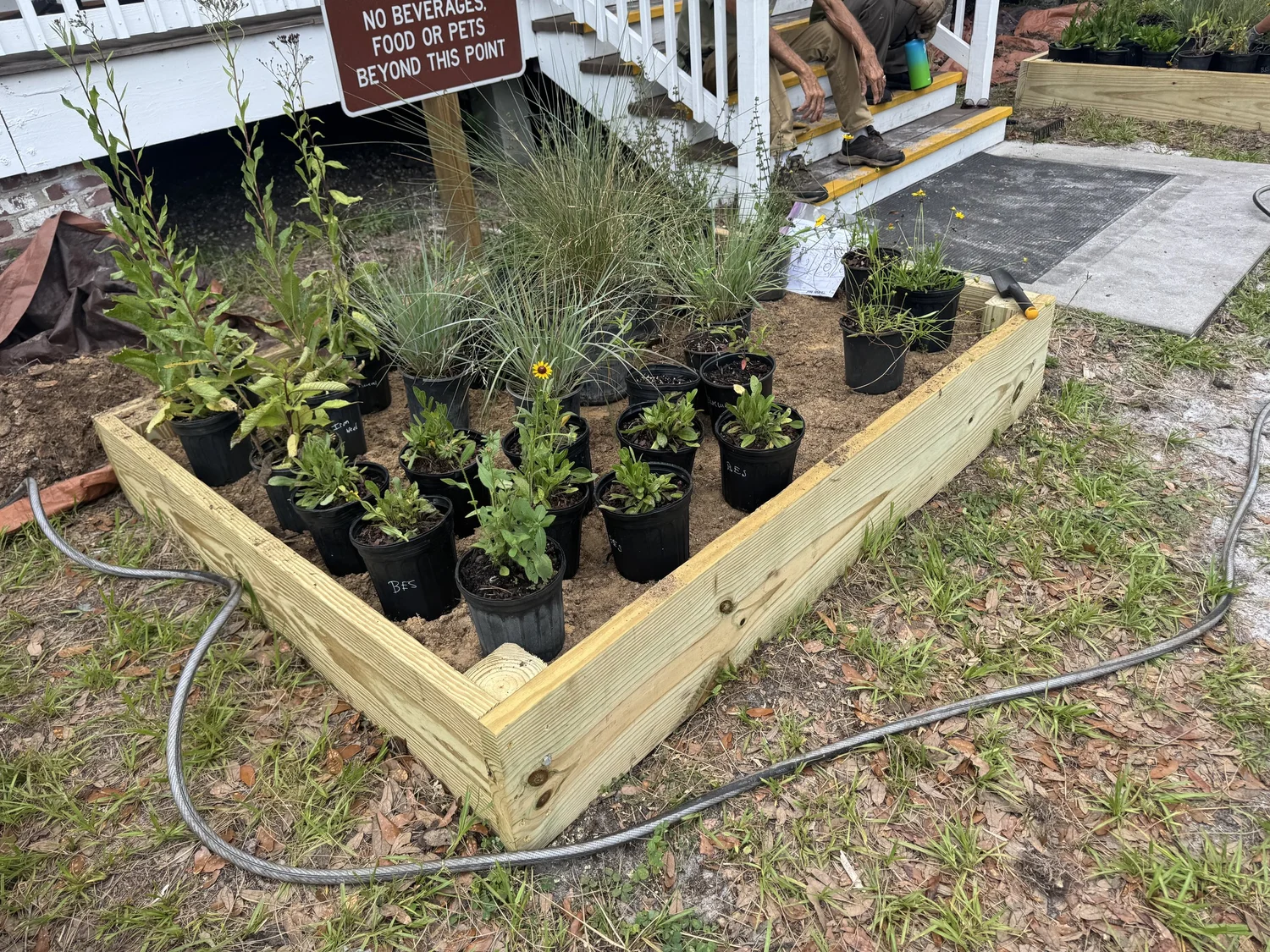
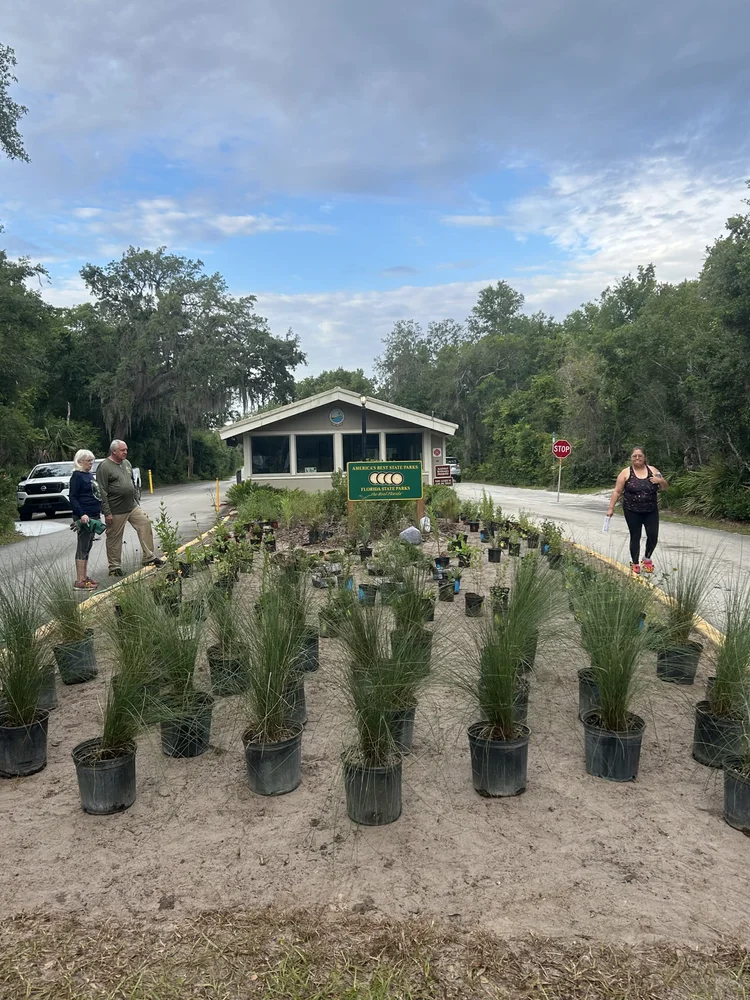
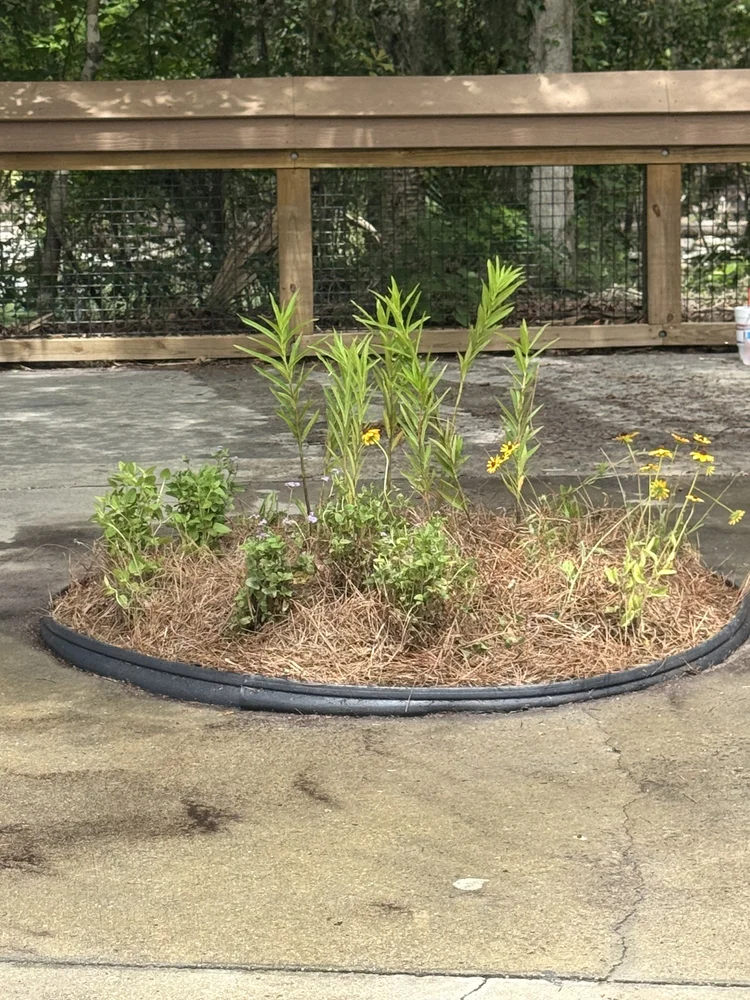
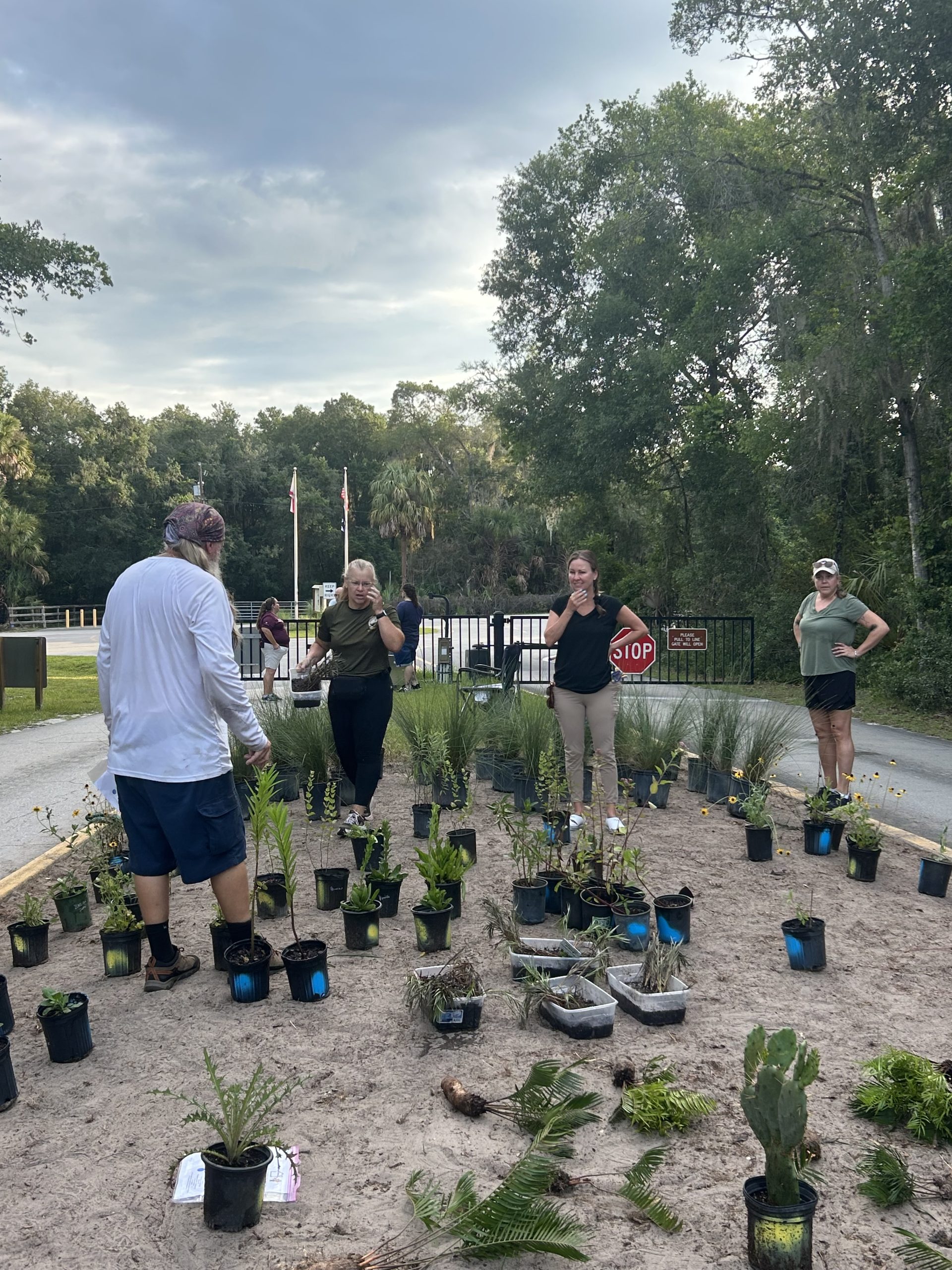
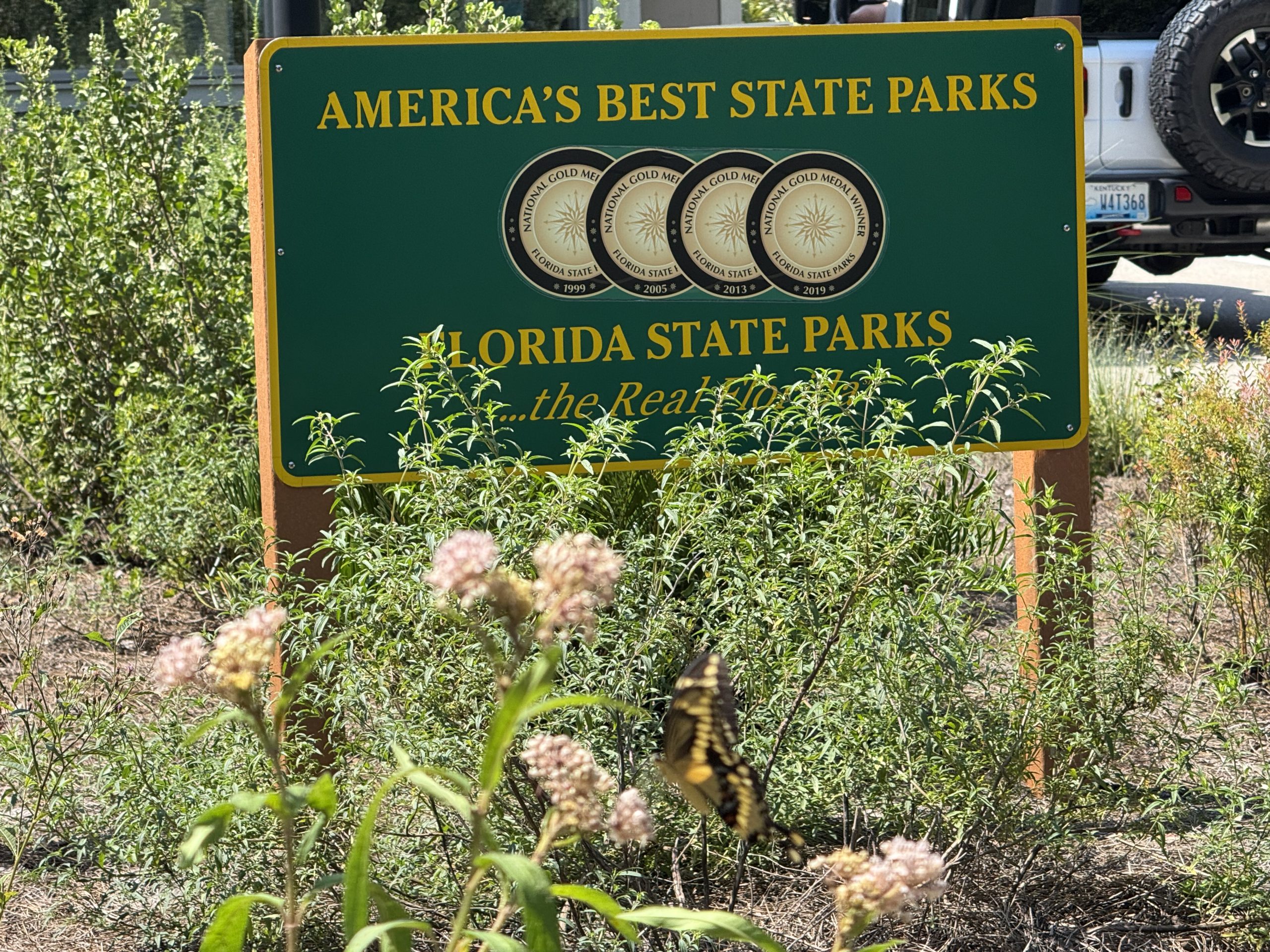
On Friday, June 12 enthusiastic volunteers planted over 470 native wildflowers in three locations throughout Blue Spring State Park: the Thursby House demonstration garden, the Visitor Center landscape, and the park entrance.
🌿 Beautiful Gardens With a Bigger Purpose
This environmental community service project was spearheaded by the Village Improvement Association (VIA) Orange City Woman’s Club with a simple goal: to show visitors just how beautiful—and beneficial—Florida native plants can be.
The hope is that these demonstration gardens will inspire families to incorporate more native wildflowers into their own landscapes.
Florida native plants are naturally adapted to our climate and typically require less water, fertilizer, and maintenance once established. Reducing fertilizer use at home can also help reduce nutrient runoff into Florida’s springs, rivers, and other waterways.
And at Blue Spring, that has special significance.
Cleaner water helps protect the aquatic ecosystems that Florida’s beloved manatees depend upon. By choosing Florida native plants and reducing our reliance on fertilizers, homeowners can create beautiful landscapes while also helping protect our springs.
🌸 30 Species of Florida Native Wildflowers
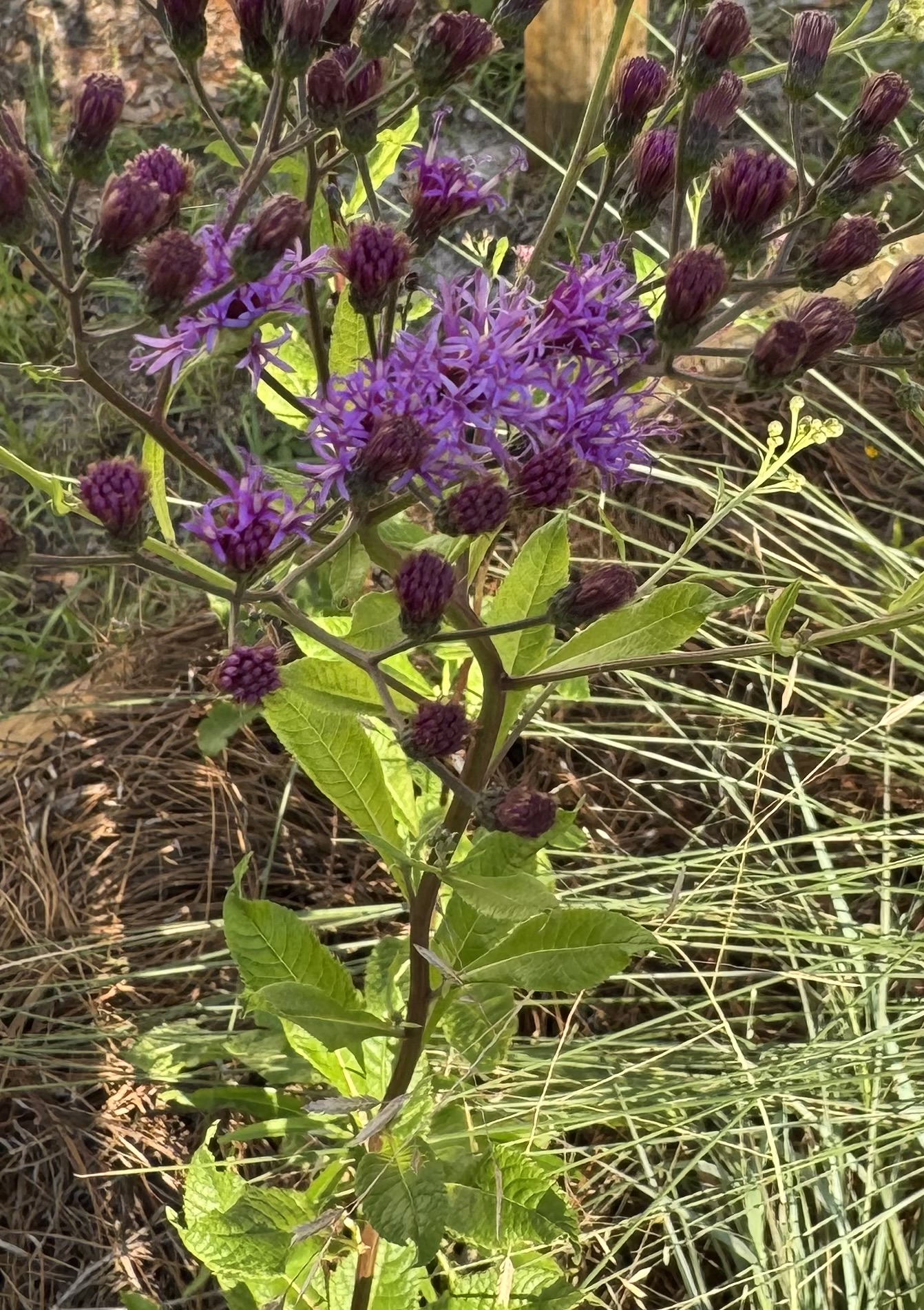
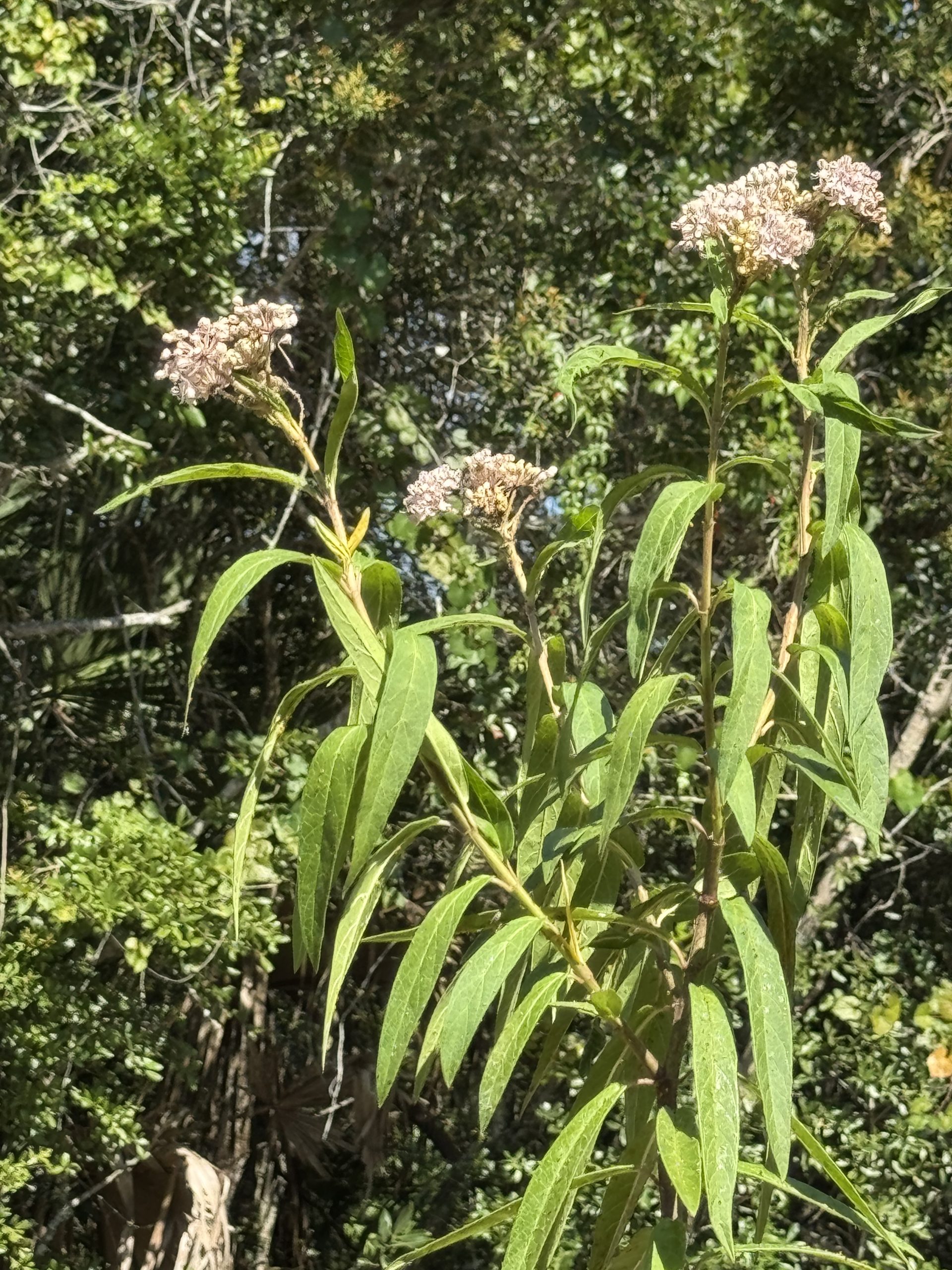
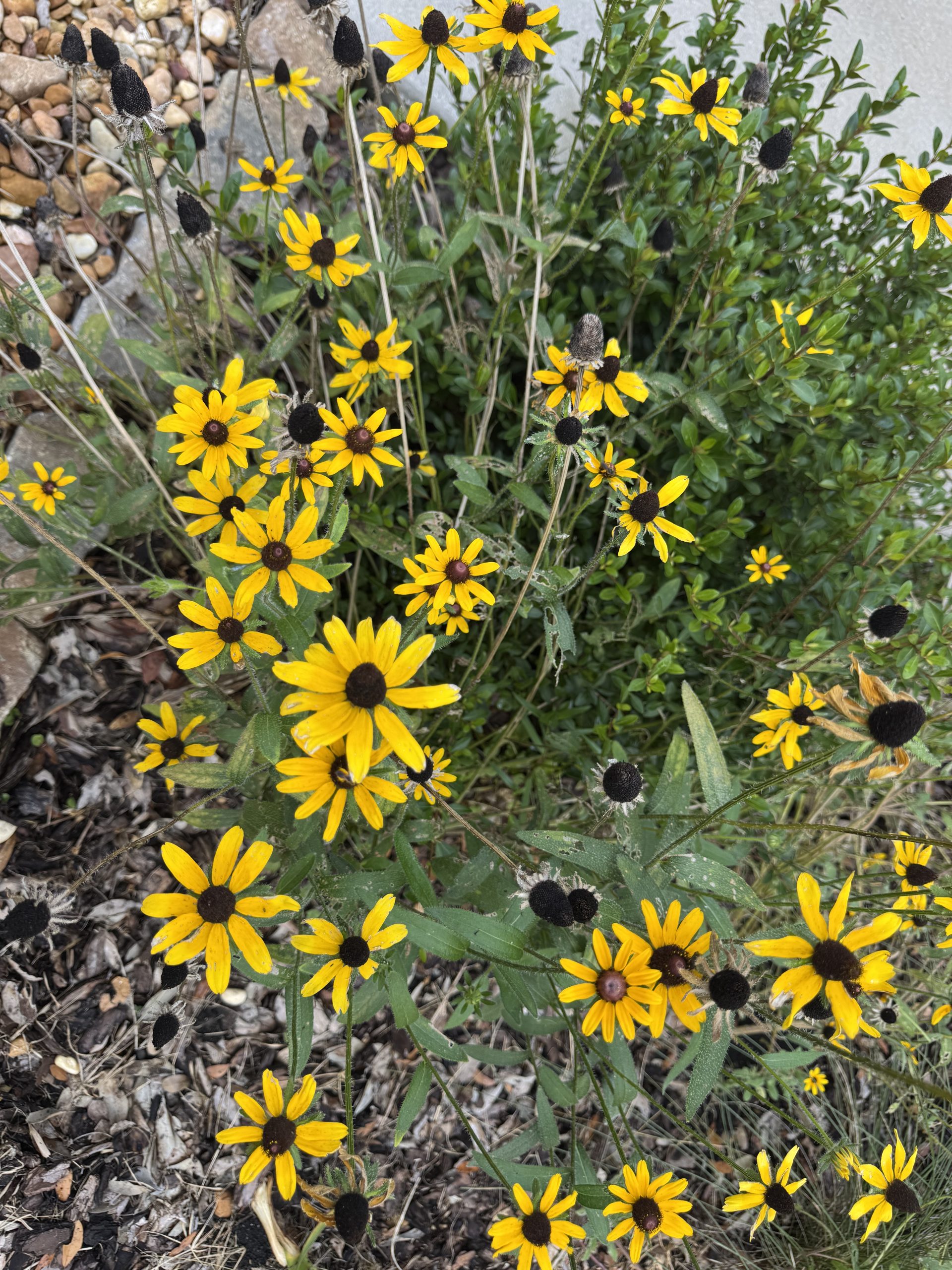
Native plant expert Damien Rockwood of Asclepias Acres supplied 30 species of beautiful Florida wildflowers, including Black-eyed Susan (Rudbeckia hirta), Florida paintbrush (Carphephorus corymbosus), and Sandpaper vervain (Verbena scabra).
Funding for the Thursby House demonstration garden was generously provided by the Florida Wildflower Foundation through proceeds from sales of the State Wildflower License Plate.
💛 A Community-Funded Project
Funding for the entrance planting was provided by the Friends of Blue Spring State Park, Orange City Blue Spring Manatee Festival, and the Rotary Club of DeBary–Deltona–Orange City.
Funding for the Visitor Center planting was provided by the Village Improvement Association Orange City Woman’s Club and Grow Learn Garden by Leah Brooks.
Site preparation and professional installation for all three planting areas were provided by Tom’s Touch Landscape
In addition to enhancing the park, the Thursby House demonstration garden will serve as an educational resource, inspiring visitors to incorporate Florida native plants into their own landscapes.
Keeping home gardens fertilizer-free helps protect water quality and supports the health of Florida’s beloved manatees, which depend on clean aquatic habitats.
This collaborative effort will enhance the beauty of Blue Spring State Park while providing valuable habitat and food sources for Florida’s native pollinators and wildlife for years to come.